
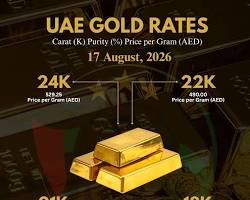
Gold prices can change regularly, making it useful for buyers to understand how rates are determined before purchasing jewellery, coins, or other gold products. In Saudi Arabia, the price displayed by a gold shop or online rate service is influenced by several factors, including international gold prices, currency movements, gold purity, and local costs.
For people searching for the Saudi gold price today, understanding the calculation process can make daily rate changes easier to follow. Websites such as KSAgoldlive.com can also be used as a reference point when checking current gold-rate information, but buyers should always confirm the final price with the seller before completing a purchase.
How International Gold Prices Affect Saudi Rates
Gold is traded internationally, and global market movements have a direct influence on local prices. International gold prices are commonly quoted in US dollars per troy ounce.
When the international price rises, the underlying value of gold in Saudi Arabia generally rises as well. Similarly, a decline in the global market can put downward pressure on local gold rates.
However, the retail price paid by a customer may not move by exactly the same amount because local pricing also includes other factors.
The Role of the Saudi Riyal
Currency conversion is another part of the calculation. Since international gold prices are generally expressed in US dollars, exchange rates can affect the equivalent value in Saudi riyals.
The Saudi riyal has a long-standing fixed exchange-rate relationship with the US dollar. This can make currency effects different from countries where exchange rates fluctuate significantly against the dollar.
As a result, changes in the international gold price tend to be an important factor when following the Saudi gold price today.
Gold Purity Changes the Price
Not all gold contains the same amount of pure gold. Purity is therefore an important part of calculating the value of a gold item.
Common categories include:
-
24K: Generally considered the highest commonly traded jewellery purity.
-
22K: Contains a high proportion of gold and is widely used for jewellery.
-
21K: Contains less pure gold than 22K.
-
18K: Contains a lower percentage of gold and is often used for jewellery requiring greater durability.
A higher-purity product generally has a higher gold value per gram, assuming other factors are equal.
This is why comparing a 24K rate with a 22K jewellery price without adjusting for purity can produce a misleading comparison.
Weight and Unit of Measurement
Gold may be quoted using different units, including grams, kilograms, and troy ounces. Jewellery is commonly sold by weight in grams, although traditional measurements such as tola may also appear in some markets.
A basic calculation starts with the applicable gold rate per gram and the weight of the item.
For example, if the applicable rate is known, multiplying that rate by the item’s gold weight provides an approximate raw gold value. The actual retail price can be higher because other charges may apply.
Making Charges and Retail Costs
Jewellery prices are not determined only by the underlying gold value. A finished piece can include manufacturing or making charges associated with designing, producing, and finishing the item.
Other factors may also influence the final amount, such as workmanship, retailer margins, product design, and applicable taxes or fees.
Therefore, the displayed market rate should not automatically be treated as the final jewellery purchase price.
Before buying, consumers should ask the seller for a clear breakdown showing the gold weight, purity, rate used, making charges, and any applicable additional costs.
Why Daily Gold Rates Can Change
Gold prices can move during the day because international markets respond to economic and financial developments. Factors such as interest-rate expectations, inflation concerns, geopolitical uncertainty, central-bank activity, and investor demand can influence global gold prices.
Local retailers may update their prices at different times, so two sources can sometimes display slightly different rates.
For this reason, someone checking KSAgoldlive.com or another rate-information source should pay attention to the date and time associated with the quoted price.
How to Check a Gold Rate Before Buying
Before making a purchase, buyers can follow a simple process:
-
Check the current market rate for the relevant purity.
-
Confirm whether the rate is quoted per gram, ounce, or another unit.
-
Check the item’s exact weight.
-
Ask about making or manufacturing charges.
-
Confirm any applicable taxes or additional fees.
-
Compare the quoted price with another reliable source.
-
Ask the seller for an itemised bill.
This approach helps distinguish the underlying gold value from the final retail price.
Final Thoughts
Understanding how gold rates are calculated can make buying decisions easier and more transparent. International gold prices provide an important starting point, while currency relationships, purity, weight, making charges, and local retail costs help determine the amount a customer ultimately pays.
When checking the Saudi gold price today, buyers should compare rates carefully and consider the time of the quotation. A reference such as KSAgoldlive.com may help users follow market information, but the final purchase price should always be confirmed directly with the seller.
The most useful habit is to understand what each quoted figure represents rather than comparing numbers without checking their purity, unit, timing, and additional charges.